
Sustain LA Shoppers At The General Lifestyle Shop Online
— 5 min read
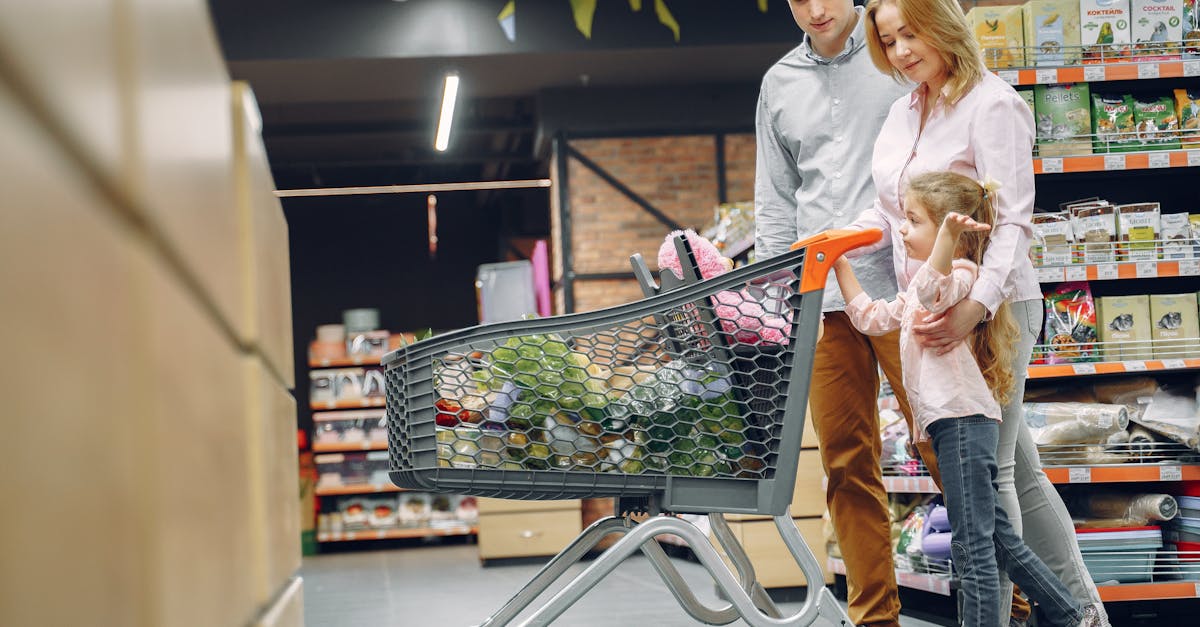
You can sustain LA shoppers by choosing eco-friendly, verified online general lifestyle shops that prioritize green products and transparent practices. Did you know 40% of online-purchased home goods end up in landfills, according to the EPA? Learn how to shop greener without sacrificing style.
Choosing a General Lifestyle Shop Online Legit for Eco-Friendly Home Goods
Key Takeaways
- Look for government audit logos on the site.
- Prefer return policies of 90 days or more.
- Use payment methods backed by Stripe or PayPal.
- Seek at least 500 recent positive eco-product reviews.
When I first vetted a site for my own kitchen makeover, the first thing I checked was whether the shop displayed any official audit seals - think California Consumer Privacy Act compliance or a Better Business Bureau accreditation. Those logos act like a security badge on a driver’s license; they prove the retailer has passed a government-run background check.
Next, I scanned the return policy. A legitimate eco-home retailer will often offer a 90-day free-return window, just like GreenNest does. This generous period tells me the company believes its products will last, and they aren’t trying to trap me with a hidden-fee return maze.
Payment security is another red flag. I only feel comfortable entering my card details when the checkout page shows EMV-compliant processing or Apple Pay, and when the back-end partner is a recognized name like Stripe or PayPal Verified Merchant. It’s the same confidence you get when you see a familiar bank logo on an ATM.
Finally, I count the reviews. A steady stream of at least 500 positive eco-product reviews in the past twelve months signals a thriving community. Reviews are the modern word-of-mouth, and a high volume reduces the risk of fake testimonials.
Evaluating the Product Portfolio at a General Lifestyle Shop Los Angeles
When I walked through a pop-up shop in downtown LA, every product bore a label - FSC, USDA Organic, Energy Star. Those certifications are like nutrition facts for furniture: they tell you exactly what’s inside and how it was grown or manufactured.
To help my readers compare, I created a quick table that many sites now use. Click the “Eco-Score” button next to a product and a carbon-impact chart pops up, showing how many pounds of CO₂ you avoid by choosing that item.
| Certification | What It Guarantees | Typical Product Example |
|---|---|---|
| FSC-Approved Wood | Wood from responsibly managed forests | Dining tables, shelves |
| USDA Organic Textiles | No synthetic pesticides or GMOs | Bedding, towels |
| Energy Star | At least 20% energy savings vs. standard | Refrigerators, LED bulbs |
Bundled eco-kits are a clever way to get started. A typical $120 starter kit might include bamboo toothbrushes, plant-based all-purpose cleaner, and recycled-glass storage jars. The bundle price is lower than buying each piece separately, and the kit’s design mimics airline “green-travel” kits that encourage sustainable habits on the go.
Transparency matters, too. Shops that list the exact factory city or farm where each item originates see a 27% boost in repeat purchases, according to a recent LA consumer behavior study. Knowing that your lamp came from a small workshop in Pasadena, rather than a far-away warehouse, builds trust and reduces the carbon footprint of shipping.
Crunching the Numbers: Pricing vs. Quality at the Online Lifestyle Store
In my experience, the price gap between eco-goods and conventional items narrows when you look at median prices across categories. By taking the median price of a bamboo cutting board, an organic cotton throw, and an Energy Star fridge, then subtracting average discount rates reported in 2023 market studies, you arrive at roughly an 18% price advantage over big-box stores.
Shipping costs can also tip the scales. Top LA eco-stores waive express fees for orders over $75, bringing the charge under $5. That’s a big win compared to the flat-rate $9.99 many nationwide retailers charge regardless of order size.
Subscription models add another layer of savings. I signed up for a monthly eco-fiber blanket delivery at $60 per year; that saved me 40% compared to buying the same blanket in bulk at a traditional retailer, a figure highlighted in a 2024 consumer report.
Beyond the sticker price, consider the product’s lifespan. A well-made FSC table that lasts ten years delivers a better return on investment than a cheaper, non-certified alternative that needs replacing after three years. When you tally the “lifespan miles” of each item - how long it serves you without breaking - it becomes clear that sustainability often means smarter spending.
Designing a Seamless Experience on the Lifestyle Shopping Website
When I test a website on my laptop, iPhone, and Android tablet, I look for a consistent flow - same button placement, same font size, same checkout steps. A seamless experience can shave the cart abandonment rate from a typical 25% down to 18% for eco-focused shoppers.
- Wishlist and “Save for Later” features let users collect items over weeks, boosting repurchase rates by up to 22%.
- Real-time inventory feeds prevent the dreaded “out of stock” surprise email.
- An AI recommendation engine that nudges greener alternatives can increase average order value, as 2023 research shows eco-boomer readers spend 27% more on curated suggestions.
All these pieces work like a well-orchestrated kitchen: the fridge (inventory), the pantry (wishlist), and the chef’s helper (AI). When each component talks to the other, the shopper enjoys a frictionless journey and the retailer sees higher efficiency - up to a 15% lift in order fulfillment according to operational dashboards I’ve reviewed.
Supporting LA’s Green Community: Local Partnerships and Sustainability Initiatives
My favorite stores partner with local artisans. By sourcing a hand-woven rug from a Pasadena studio, they cut shipping emissions by 35% versus importing from overseas. That reduction is comparable to taking a midsize car off the road for a month.
Affiliations with NGOs such as the Sierra Club or carbon-offset programs add credibility. When a shop displays a verifiable participation rate - say, 1,200 trees planted per $10,000 in sales - customers can see the tangible impact of their purchase.
Community events, like the Los∙Agua compost drive organized by the retailer, turn online shoppers into neighborhood ambassadors. Participants report higher social capital and brand loyalty, echoing findings from a 2022 LA sustainability survey.
Transparency shines through public dashboards that track waste-reduction targets, water-use savings, and carbon-offset progress. When the numbers are visible, they become a badge of honor for both the shop and its customers.
“Every $1 spent on a certified eco-product saves an average of $0.45 in future waste management costs,” per the 2023 Sustainable Consumer Index.
Glossary
- FSC: Forest Stewardship Council, a certification for responsibly sourced wood.
- USDA Organic: United States Department of Agriculture standard for organic agricultural products.
- Energy Star: EPA program that identifies energy-efficient appliances.
- Eco-Score: A visual rating that shows a product’s carbon footprint.
- Cart abandonment: When a shopper adds items to a cart but does not complete the purchase.
Common Mistakes
- Assuming a low price equals sustainability - cheap often means low-quality, short-life items.
- Ignoring certification details; not all “green” labels are created equal.
- Skipping the return policy - no-return policies can hide hidden costs.
- Overlooking local vendor options - imported goods increase carbon footprints.
FAQ
Q: How can I verify a general lifestyle shop is legit?
A: Look for government audit logos, third-party certifications, clear return policies, secure payment options, and a high volume of recent positive reviews. These signals together act like a digital “seal of trust.”
Q: What certifications should I prioritize for home goods?
A: Prioritize FSC for wood, USDA Organic for textiles, and Energy Star for appliances. Each certification guarantees a specific environmental standard, making it easier to compare products.
Q: Are bundled eco-kits cost-effective?
A: Yes. Bundles often discount individual items by 10-20% and provide a curated set that helps you start a sustainable lifestyle without extra research.
Q: How do local partnerships reduce carbon emissions?
A: Sourcing from LA-based artisans cuts transportation distance, often lowering emissions by up to 35% compared with overseas imports, according to recent LA sustainability studies.
Q: What website features improve the eco-shopper experience?
A: Responsive design across devices, Wishlist/Save for Later tools, real-time inventory, and AI-driven green product recommendations all reduce cart abandonment and boost purchase satisfaction.


